Summer clothes ask more from a textile than cold weather layers do. A fabric touches bare skin across shoulders, waistbands, and inner thighs for ten hours in the heat. It absorbs sweat, meets beach salt, and gets thrown into laundry cycles twice a week. Learning what yarn structure, weave density, and fiber mix do to weight and drape helps you choose pieces that keep their shape past July.
Rib knit and stretch jersey
Rib knit relies on alternating vertical ridges that expand around curves and snap back without sagging. It gives tank tops and bodycon midi dresses a firm, supportive hold against the torso. The vertical grain hides small wrinkles well. Wash rib knit on a gentle cycle in cold water, then dry it flat so the hem does not stretch downward under its own wet weight.
Stretch jersey is flatter and lighter than rib. It clings lightly across the chest and hips, making it ideal for draped tees and wrap skirts. Jersey shows sweat patches faster than textured knits, but it dries quickly on a drying rack and rarely needs an iron.
Cotton poplin and linen blends
Poplin is a tightly woven plain weave with a crisp, paper-smooth finish. It holds architectural volume in tiered sundresses, puffed sleeves, and button-down shirts. Poplin wrinkles sharply when you sit for an hour in a car, but a hot steam or quick iron with water mist resets the crisp surface immediately.
Linen blends combine flax with rayon or cotton to soften the stiffness of pure flax. The blend gives you the open, breathable weave of linen while cutting down on deep, stubborn creasing. Wash in cold water on low spin to keep the weave from shrinking across the bustline.
Hanging pulls open crochet loops downward, stretching a short hem into an uneven length within two weeks.
Pieces this applies to
Dresses
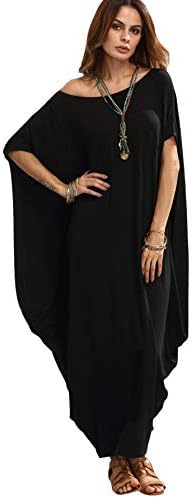
Caftan Harem Boat Neck Dolman Sleeve Oversized Maxi Dress Moo Moos Black Large
A wide elastic boat neck and loose batwing sleeves shape this oversized black maxi dress with an asymmetrical sweep.
Dresses
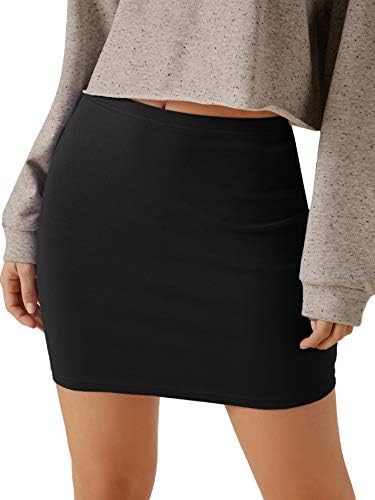
Basic High Waisted Pencil Bodycon Short Skirt Black M
A high-waisted pencil skirt in solid black cut short with gentle stretch to hold its shape through long days.
Dresses
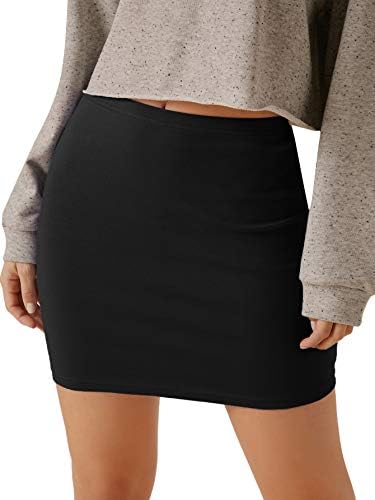
Basic High Waisted Pencil Bodycon Short Skirt Black XXL
Cut close in smooth black fabric with gentle stretch, this high-waisted mini pencil skirt delivers a clean, sharp profile.
Satin and sheer chiffon
Woven satin floats over the body with a high-shine surface and cool initial touch. It skims over slip dresses and matching camisole sets without clinging, though it catches easily on rough jewelry or woven straw bags. Steam satin on low heat rather than pressing with a dry iron to prevent water spots and shine marks.
Chiffon is an airy, transparent plain weave with a slightly rough texture from twisted yarns. Used mostly for cover-ups, sheer sleeves, and tiered skirt overlays, it catches the breeze and dries within twenty minutes of a beach swim. Always use a mesh laundry bag to stop seams from pulling in the machine.
Open crochet knits
Crochet pieces use looped stitches that create intentional open holes across the pattern. The yarn sits heavier on the shoulders than flat jersey, but the open mesh lets air move freely across your back and waist. It works best layered over swimwear or solid tonal slips in cream and sand tones.
Store crochet folded on a shelf rather than on a hanger. Hanging pulls the open loops downward, stretching a 32 inch mini skirt into an uneven knee-length hem within two weeks of closet storage. Wash by hand in a sink of cool water.
Care rules for warm weaves
Follow these five practical habits to extend the lifespan of lightweight summer textiles.
- Mesh wash bags protect chiffon hems and delicate satin straps from catching on zipper teeth during the wash cycle.
- Cold water cycles prevent linen blends from shrinking across shoulders and keep rich terracotta dyes from fading quickly.
- Flat drying prevents heavy wet rib knits and open crochet tops from stretching out of their original cut.
- Low steam smooths out wrinkled cotton poplin sleeves without crushing the natural texture of the underlying weave.
- Folded shelf storage keeps open-stitch crochet skirts from sagging two inches longer than their original measured length.
Choosing by texture and care
Match the textile to the day you have planned. Crisp poplin and open crochet fit dry afternoons where shape matters, while washable jersey and soft linen blends hold up through travel bags and long train rides. Check the inner care tag before laundering, wash cold, and dry flat to keep colors steady.