You pull a cover-up over a damp swimsuit and the fabric changes immediately. Some weaves drink the moisture and stretch downward. Others turn sheer against your shoulders or stick to your lower back. Knowing how cotton gauze, crochet, acrylic open-knit, and polyester chiffon react to water saves you from dragging a sodden hem across the sand. Fabric weight, yarn density, and fiber type decide the whole afternoon.
The four fabrics against damp skin
Cotton gauze absorbs moisture instantly. The crinkle loosens as it takes on dampness from your suit, softening the weave and resting flat against your skin rather than floating off it. Chiffon resists absorbing water directly into the fiber, but surface tension makes the fine polyester film stick flat to wet bikinis, turning nearly clear wherever it touches. You see the suit color clearly beneath it.
Open-knit acrylic hangs slightly away from the body because the yarns have bulk. It feels cooler against damp skin than flat chiffon because air moves through the spaces. Heavy cotton crochet pulls moisture right out of the swimwear beneath, holding that water inside thick plied threads until the entire garment feels cold and heavy against your collarbones.
Drying times and hanging hems
Hang a wet cotton crochet dress over a beach chair and you will wait two hours in direct sun for the yarn core to dry. The wet weight pulls the hem down by two or three inches while it hangs, stretching open the lower loops. Lightweight polyester chiffon dries in twenty minutes flat on a breezy afternoon, keeping its original shape without pulling or sagging along the stitch line.
Cotton gauze needs roughly forty-five minutes on the back of a sun lounger. As it dries, the natural crinkle tightens back up, pulling the hem back to its dry measurement. Open-knit synthetic yarns shed surface water quickly, taking about thirty-five minutes in full sun, though horizontal drying keeps the loose stitches from lengthening under their own weight.
Hang a wet cotton crochet dress over a chair and the weight pulls the hem down two inches.
Pieces this applies to
Swimwear & Cover-Ups
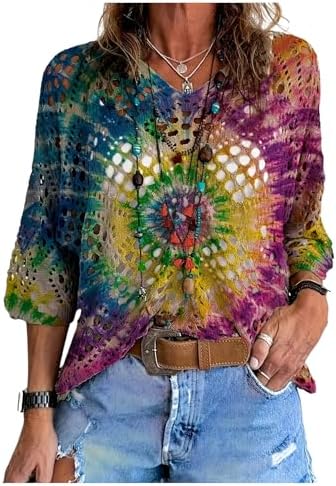
Boho Tops Hippie Lightweight Summer Sweater Beach Cover Up Crochet Tops Blue
Open crochet stitches and soft knit fabric define this relaxed drop-shoulder pullover with a gentle V-neckline.
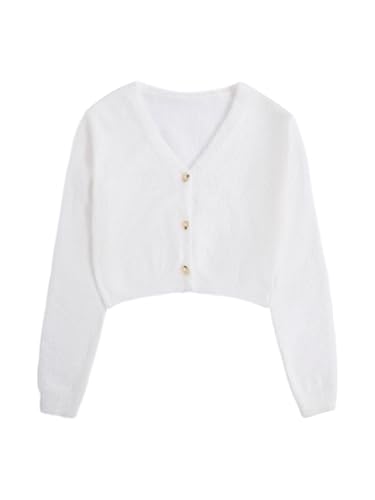
Swimwear & Cover-Ups
Boho Tops Hippie Lightweight Summer Sweater Beach Cover Up Crochet Tops Blue
An airy open knit pullover with a soft V neck and dropped shoulders, designed for breezy summer layering over swimwear or shorts.
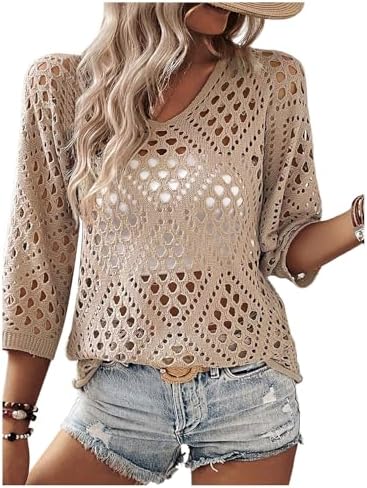
Swimwear & Cover-Ups
Crochet Beach Summer Sweater 3/4 Length Sleeve Boho Tops
An airy hollow-out knit with a deep V-neckline and three-quarter sleeves, designed for warm seaside days and easy layering.
Salt and pool water wear
Chlorine degrades fine elastane threads and bleaches out rich terracotta and olive tones if you leave it to dry in the sun. Salt water leaves stiff mineral crusts between the yarns of tight gauze and crochet, making the fabric scratchy against sun-warmed skin. A quick two-minute rinse in cool tap water directly after leaving the beach breaks down the salt crystals before they dry into the fibers.
Gauze and crochet soften again the moment fresh water washes through them. Chiffon handles pool chlorine better than natural fibers because synthetic filament does not absorb the chemical into the core of the thread. Still, sand gets trapped in the fine weave of chiffon hems, requiring a shake while submerged in a basin of clean water to release the grit.
Transitions into town and packing weight
A cover-up that works as a day dress in town needs a built-in lining or a dense double gauze weave. Open crochet and sheer chiffon reveal underwear lines and suit straps the second you walk into indoor lighting. Double-layered cotton gauze gives you full opacity for an outdoor lunch while staying breathable in thirty-degree heat, eliminating the need to change completely before walking off the sand.
Packing four cover-ups changes your carry-on allowance quickly. A long crochet maxi dress rolled tight weighs roughly fourteen ounces and takes the space of two folded t-shirts. Fine chiffon folds down to the size of a handkerchief and weighs under three ounces. Cotton gauze sits right in the middle at seven ounces, crushing down without permanent creases.
Care rules for beach textiles
Keep your summer cover-ups soft and shaped properly through the season with five practical wash habits.
- Rinse immediately in cold tap water to clear out abrasive salt crystals and pool chemicals.
- Squeeze excess water gently with your hands instead of wringing the fabric like a towel.
- Dry open-knit and heavy crochet pieces flat over a towel to stop hems from stretching.
- Wash delicate chiffon in a mesh laundry bag to prevent snags from zippers and straw bags.
- Steam cotton gauze on a low setting rather than ironing flat to preserve the crinkled texture.
Packing for the water
Match your fabric to your day. If you plan to swim before heading straight to an open-air cafe, choose a lined cotton gauze shirt that dries quickly and keeps its opacity. Save heavy crochet for dry lounging by the sand, and fold a three-ounce chiffon slip into your tote for quick cover.