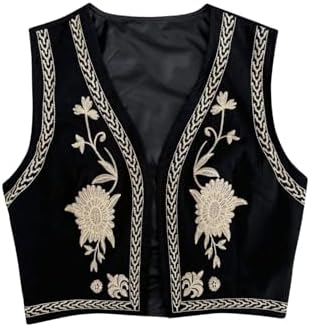
A good cotton poplin blouse feels crisp on a hot morning, while loose linen trousers breathe when the heat climbs. Both plant fibers soften with each wash, but aggressive cycles snap their threads early. Thin poplin loses its structure, and linen develops fuzzy wear patches along pocket seams. You can protect both fabrics across several seasons by changing three dial settings on your machine.
Water heat and agitation
Hot water shrinks woven cotton and weakens flax fibers before the rinse even begins. Set your wash water to cold, or thirty degrees Celsius at most, using a gentle cycle with a slow spin of six hundred revolutions per minute. High-speed spinning twists wet linen into tight cords, fracturing the outer wall of the plant fiber and pressing sharp creases into poplin collars.
Wash linen trousers and poplin shirts in loose mesh bags to prevent straps or sleeves from wrapping around the drum center. Leave room in the machine so water flows freely through the weave, rinsing away summer sweat and dust without friction.
Skip the liquid softener
Fabric softener works by coating thread surfaces in a waxy chemical film. This artificial coating clogs the hollow core of linen fibers, destroying their natural ability to pull moisture away from your skin on sticky afternoons. The fabric feels slimy when wet and takes twice as long to dry on the line.
Poplin suffers too, turning limp and greasy under layered conditioner build-up. Use a small splash of plain white vinegar in the rinse compartment instead. It removes detergent residue, softens the water, and leaves zero scent behind once the clothes dry.
Linen is meant to show soft movement across the lap, but poplin needs a quick press along the collar.
Pieces this applies to
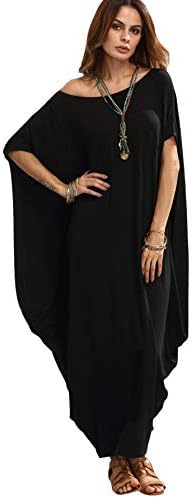
Dresses
Caftan Harem Boat Neck Dolman Sleeve Oversized Maxi Dress Moo Moos Black Large
A wide elastic boat neck and loose batwing sleeves shape this oversized black maxi dress with an asymmetrical sweep.
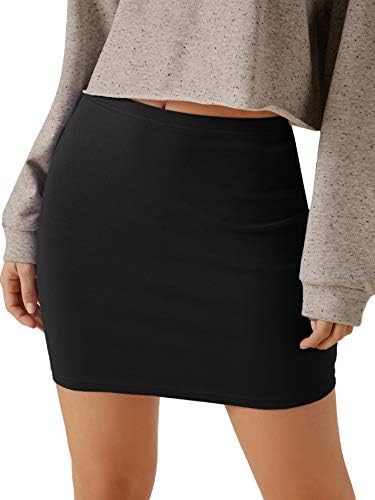
Dresses
Basic High Waisted Pencil Bodycon Short Skirt Black M
A high-waisted pencil skirt in solid black cut short with gentle stretch to hold its shape through long days.
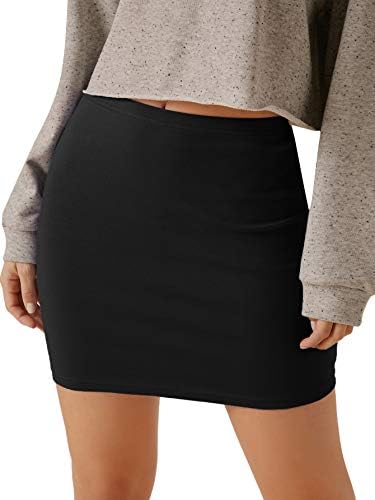
Dresses
Basic High Waisted Pencil Bodycon Short Skirt Black XXL
Cut close in smooth black fabric with gentle stretch, this high-waisted mini pencil skirt delivers a clean, sharp profile.
Drying without the heat
Tumble dryers destroy summer weaves by baking the natural moisture out of the cellulose. Remove garments the second the wash cycle stops, while they are still damp and heavy with water. Give each piece a firm shake to release deep wash folds, then smooth out the plackets, collars, and hems with your palms.
Hang poplin shirts on wide wooden hangers so the shoulder seams keep their line. Spread linen shorts flat across a drying rack in the shade. Direct sun bleaches terracotta, olive, and cocoa shades into washed-out patches.
Living with honest creases
Linen is meant to show soft movement across the lap and behind the knees as you sit. Those gentle waves show the weight of the weave, not messy neglect. Crisp cotton poplin is different, built for clean lines across the collar, cuffs, and front button band.
Iron poplin while it remains slightly damp from the wash, using medium-high heat and steady steam. For linen, steam the collar and pocket flaps lightly on a hanger, but leave the body of the garment alone to settle against your skin naturally.
Five rules for summer laundry
Follow these simple wash habits to keep your warm-weather pieces clean and sturdy.
- Measure liquid detergent carefully to prevent soapy buildup inside dense poplin weaves.
- Fasten all buttons and zips before washing to stop teeth catching on fine threads.
- Shake wet hems firmly before drying to straighten edges without heavy pressing.
- Hang dark garments inside out to protect olive and cocoa dyes from sunlight.
- Store seasonal linen on breathable cotton hangers rather than sealed plastic bags.
Storage for the off season
Fold clean linen and cotton poplin loosely in a canvas bin once autumn arrives. Avoid heavy plastic storage tubs that trap ambient humidity and cause yellow stains on cream collars. Place a small cedar block nearby to deter moths, and your clothes will be ready to wear next June.